


There’s a view online that keeps coming back: if you need DJ lessons, you probably shouldn’t bother DJing at all. The skills are simple enough to figure out yourself, and anyone with real potential will pick it up after a couple of YouTube videos and some time messing about with software. If it hasn’t “clicked” for you naturally, it never will.
I’ve been DJing since the early 1990s. I co-founded an award-winning club night called Tangled in Manchester and was a resident there for over a decade, right through the UK trance explosion. I’ve watched this craft evolve from vinyl-only to the incredible digital landscape we have today. This “natural talent or nothing” argument misses the point entirely – especially for the DJs who actually need to hear this.
Watch the show
Prefer me to talk you through this? In this video, a recording of a live show from the Digital DJ Tips YouTube channel, I talk you through everything in this article, and we take questions from our community on the subject.
Who’s this for, then?
You’re probably not hustling for club residencies or dreaming of festival main stages. You’re someone who’s loved dance music for years, who remembers exactly where you were the first time you heard a track that changed everything, and who’s always wondered what it would feel like to be the one behind the decks.
Read this next: 12 Non-DJ Skills That Will Help You Become a Better DJ
Perhaps you’ve told yourself you’re too old, or that there’s no point learning because you’ll never play out. Maybe you figure you’ll just make mixes for yourself, so proper training seems unnecessary.
Here’s the thing: Those aren’t reasons to avoid learning. They’re reasons it matters even more.
The “figure it out yourself” myth
Yes, you can teach yourself to DJ. People have been doing it for decades, and plenty of successful DJs are entirely self-taught. But there’s a difference between something being possible and something being sensible.
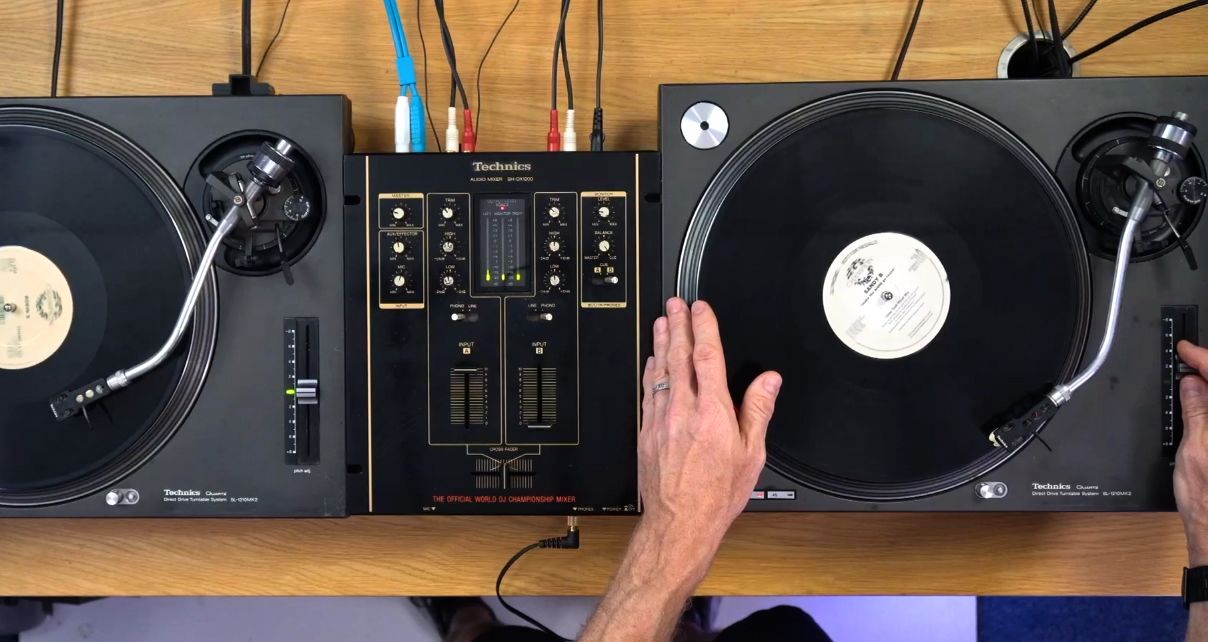
When I started out, the technical side of DJing was relatively straightforward. You had two turntables, a mixer, and your records. The skills were physical – beatmatching by ear, riding the pitch fader, knowing when to drop the next track. If you could count bars and had decent hand-eye coordination, you could get there eventually.
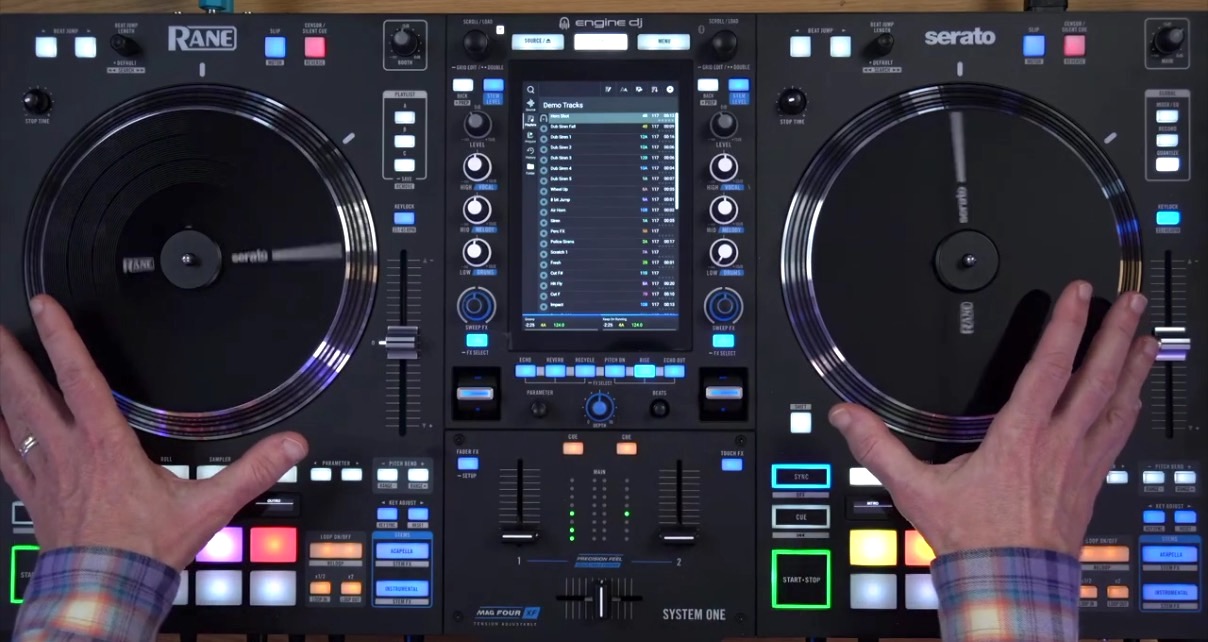
Today? The technical landscape is unrecognisable. Modern DJ software offers stems separation, algorithmic key detection, dozens of effects, multiple deck configurations, sample triggering, and recording capabilities that would have seemed like science fiction in 1995. Controllers have more buttons, knobs, and features than a spaceship cockpit. Even understanding what all this does – let alone using it musically – takes real effort.
You could absolutely figure this out yourself. You could spend months (or years!) watching YouTube videos, reading forums, downloading manuals, making the same mistakes everyone makes, and gradually piecing together how it all works. Or you could turn years into weeks and have someone show you how to DJ properly.
That’s not a sign you lack talent. That’s just being smart with your time.
Different people, different paths
One of the criticisms levelled at DJ courses is that they produce formulaic DJs who all sound the same. There’s a grain of truth there if we’re talking about someone who follows instructions robotically and never develops their own voice. But that’s not a problem with learning – it’s a problem with stopping there.
The reality is that people come to DJing for wildly different reasons, and they learn in wildly different ways. Some people thrive on experimentation and figure things out by breaking them. Others need structure first, and only become creative once they’ve got the fundamentals locked in. Neither approach is wrong.
Think about it this way: nobody argues that taking piano lessons means you’ll never develop your own style. The lessons give you technique; what you do with that technique is entirely up to you. DJing works exactly the same way.
What you need depends on what you want
Most DJ schools assume everyone wants the same thing: club bookings and a career. In my experience, that’s rarely true – most people who learn to DJ with us want something else.
Some people have a specific, immediate goal. They’ve agreed to DJ their mate’s wedding or their company’s summer party, and they need to go from zero to competent in a few months. For them, a structured course with a clear beginning, middle, and end makes perfect sense. Learn the essentials, build confidence, nail the gig – job done.
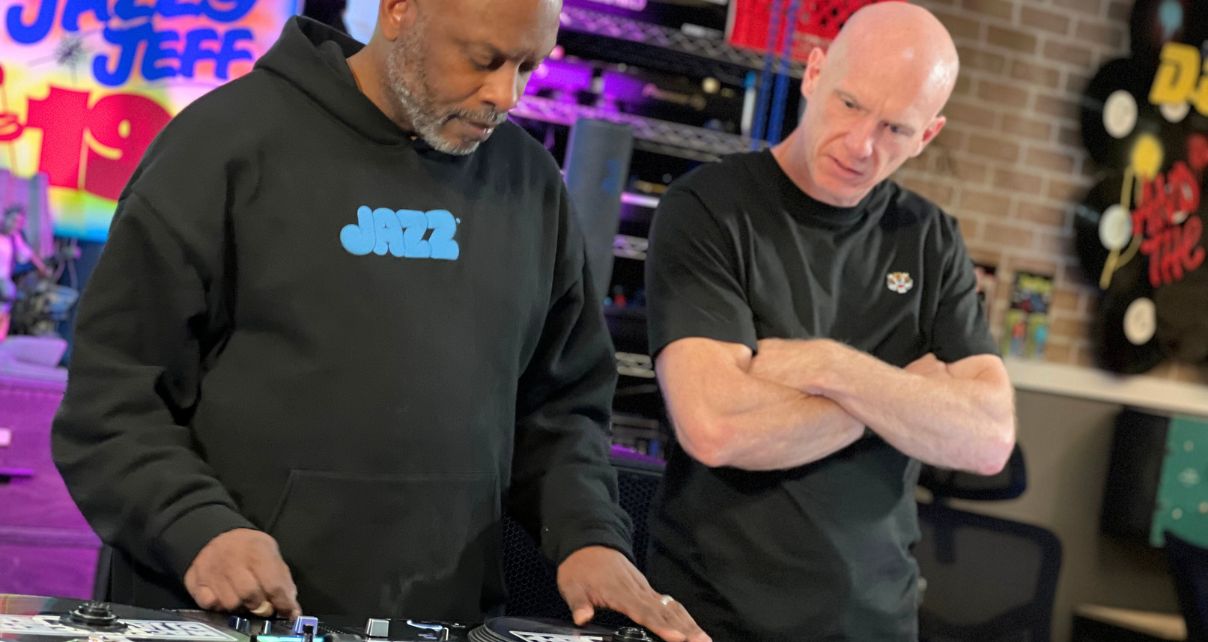
Others have DJ experience but feel stuck. They’ve been doing the same thing for years and want fresh ideas: new mixing techniques, different approaches to building energy, ways to break out of their habits. They don’t need beginner content; they need challenge and inspiration from DJs who approach things differently.
But there’s a third group that I suspect many of you reading this fall into. You’ve always loved DJing. You want to do it for fun, for yourself, for the rest of your life. You’re not working towards a specific gig or trying to fix a specific problem. You just want to keep learning, keep improving, and keep discovering new things about a craft you love. Because if not now, then when, exactly?
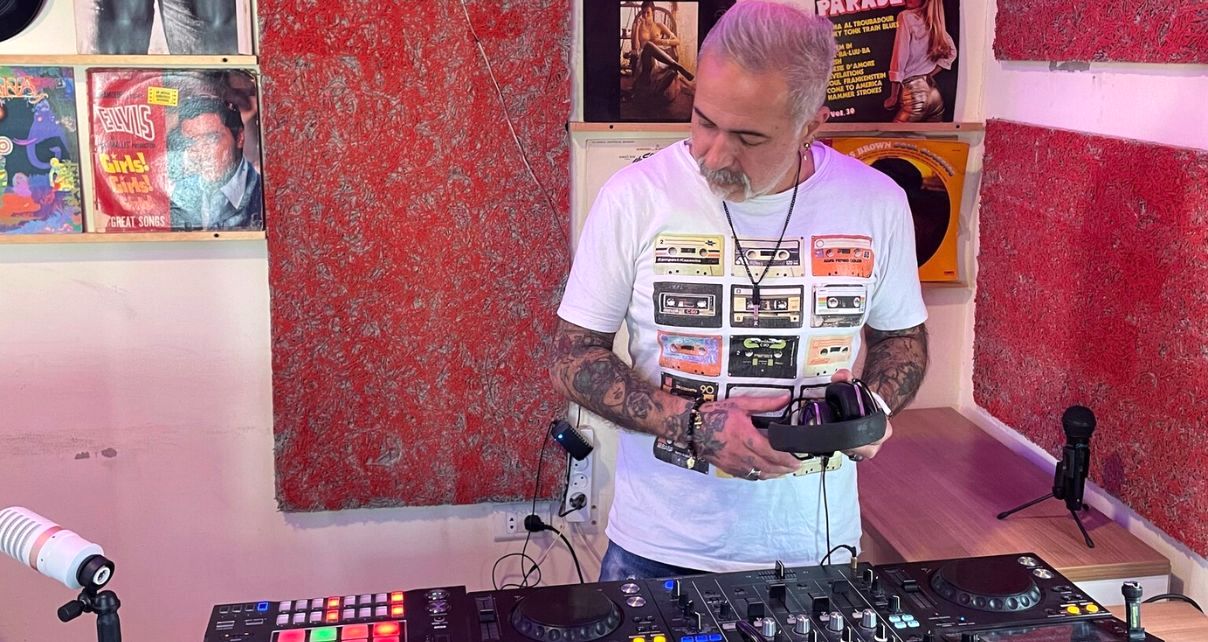
These three groups need completely different things from DJ training – whether that’s focused crash courses, advanced skill development, or lifetime learning access. A good DJ school should offer all three paths, not just one.
Sign up to Tuesday Tips
 Free newsletter
 Your weekly digest of the latest training, gear reviews, industry news, and exclusive tips and tricks to help you stay ahead in your DJing.
We collect, use and protect your data in accordance with our Privacy Policy.
The real barriers aren’t what you think
Recently, I saw a post on Reddit (by a self-proclaimed DJ tutor) arguing that DJ lessons are a waste of time. It listed traits that supposedly predict success: you need to be curious, go dancing regularly, have strong opinions about music, and be comfortable breaking rules.
While there’s wisdom in these observations, they’re aimed at a specific definition of success: getting booked at clubs, building a name, making it profitable. If that’s not your goal, most of these “traits” become irrelevant.
Read this next: Stop Waiting For Permission To DJ
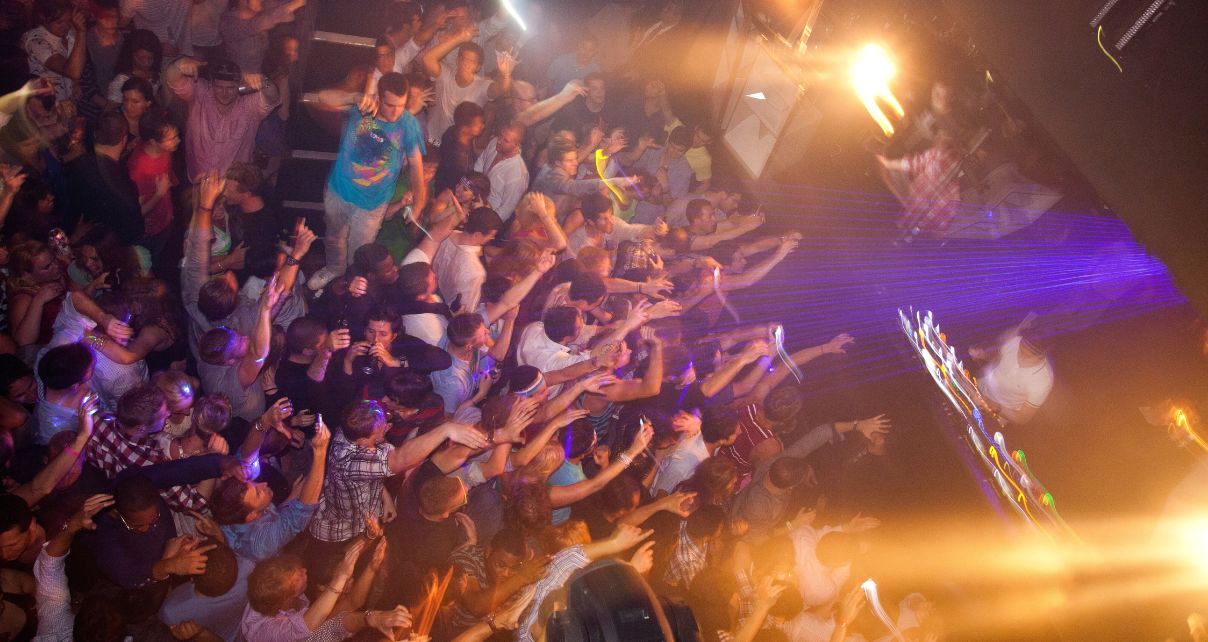
Do you need to go clubbing every weekend to make great mixes in your living room? Obviously not. Do you need to be a “hater” who dismisses tracks to enjoy playing music you love for yourself and your mates? Of course not. Do you need to be breaking rules and taking creative risks when you’re just starting out and trying to learn the basics? That would actually be counterproductive.
The traits that actually matter for hobby DJs are simpler: genuine love of music, willingness to practise, and enough patience to push through the frustrating early stages where nothing sounds quite right. Everything else – the taste, the instincts, the creativity – develops over time, as long as you keep doing it.
Three Paths, One School
At Digital DJ Tips, we’ve been teaching people to DJ for 15 years. We’ve seen every type of student: the naturals who pick it up immediately and the grafters who take longer but get there eventually; the career-minded and the pure hobbyists; the twenty-somethings and the sixty-somethings. We understand that different DJs need different approaches.
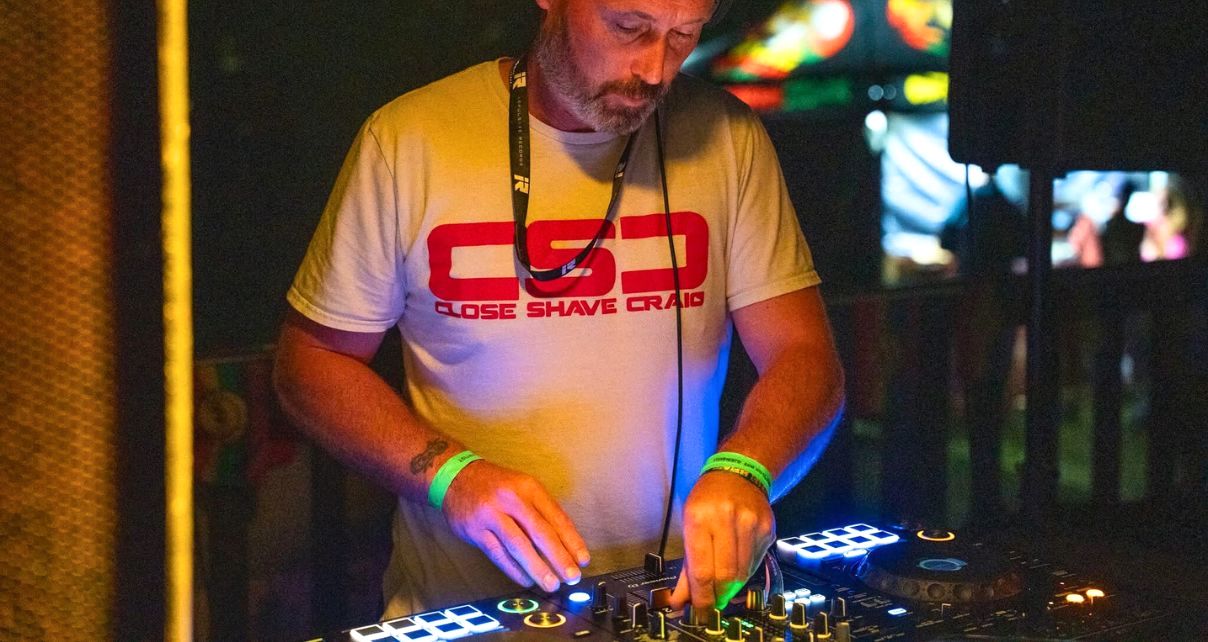
If you’ve got a specific goal – a first gig to prepare for, a particular skill to develop – our individual courses are designed to get you there. Our hugely popular Complete DJ Course gives you a crash education in all the essentials of modern DJing. And if you feel a bit like an “old dog”, courses like Mixing For Mobile & Wedding DJs, DJ Jazzy Jeff’s How To DJ Right, or Ferry Corsten’s Trance DJing Masterclass will teach you new tricks.
But if you fall into that third group, if you’re in this for the long haul and know you’re going to want to keep learning and improving for years to come, the All-Access Pass gives you everything. Every course we’ve ever made, every tutor we work with, every technique and genre and approach – available whenever you need it, for life.
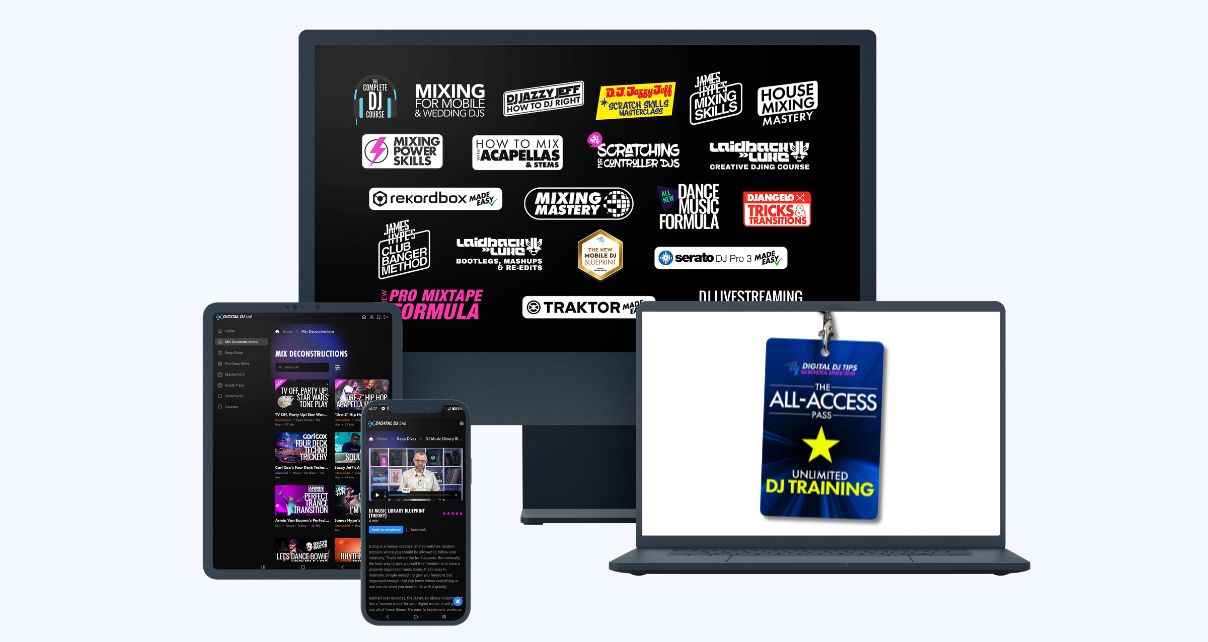
Want everything we teach, for life? Click to learn more about All-Access membership
The idea that needing lessons somehow disqualifies you from DJing gets it backwards. Learning from others isn’t a sign of weakness – it’s how most skills have been passed down throughout human history.
Whether you’re preparing for your first gig, looking to break out of a rut, or simply want to spend the rest of your life getting better at something you love, there’s nothing wrong with getting help along the way. The only real barrier is convincing yourself you shouldn’t bother.


Phil Morse

