Most DJs assume energy and tempo are the same thing. Start low, build slow, and the BPM climbing through the night tells you exactly where you are on that journey. House DJs in the early days would start a night around 120 BPM and gradually push it up to 135 by closing time.
Energy built because tempo built. Simple.
But what if that assumption is holding you back? In this free lesson from Laidback Luke’s Creative DJing course, Luke makes the case that energy and tempo are not the same thing – and once you’ve heard his argument, it’s hard to think about your DJ sets any other way.
What’s in the lesson
In the video above, Luke shows exactly what he means using six tracks across three different BPMs. The first 110 BPM example (Dua Lipa’s “New Rules”) is a hip-shaker but not exactly high-energy. The 128 BPM track that follows feels noticeably heavier. Then Luke drops something at 150 BPM, and it’s actually the most spacious and mellow-feeling of the three.
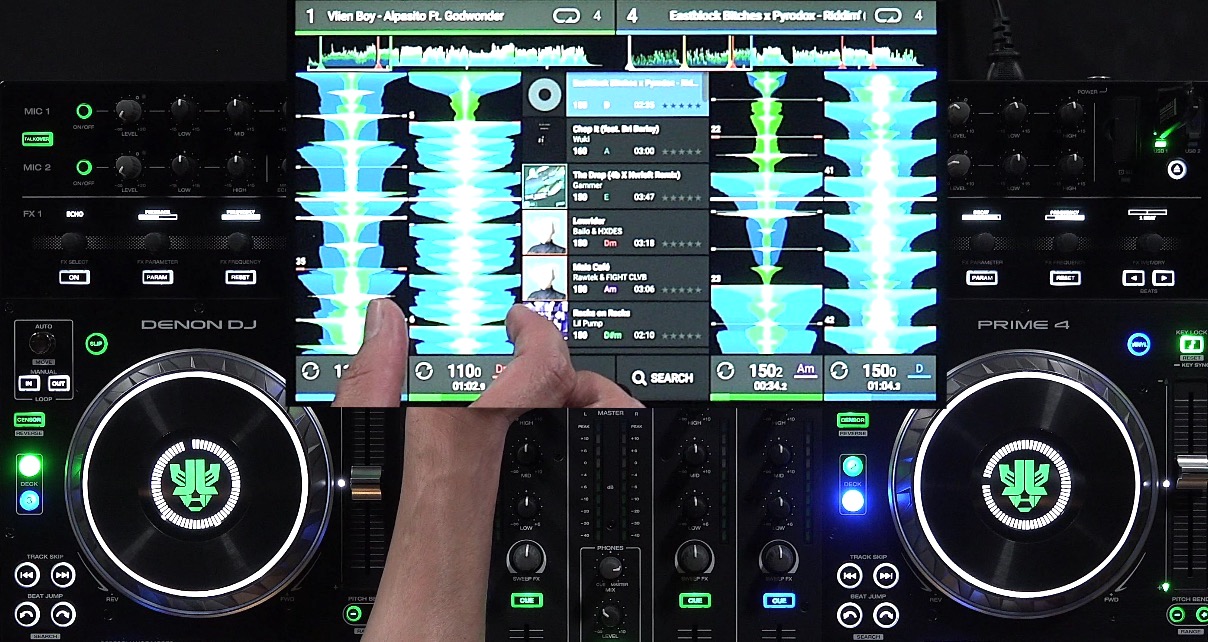
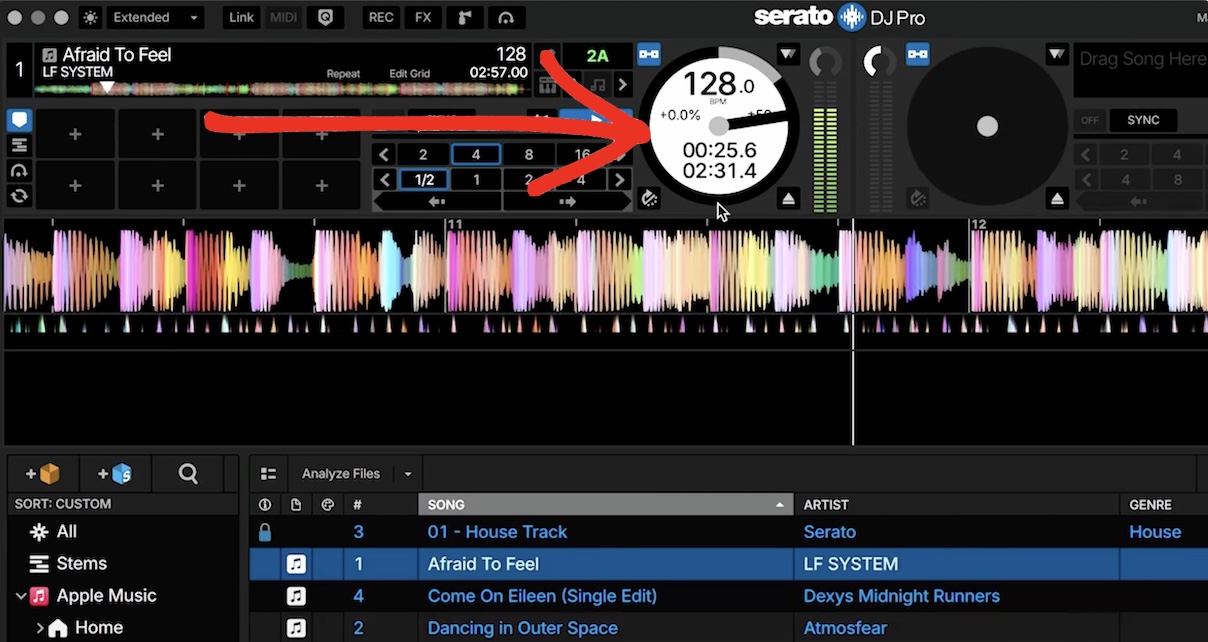
So what actually creates energy in a track? Luke points to the programming – how tightly the elements are arranged. Pack sounds close together and you get a frantic feel. Leave space between them and the track breathes, even at a high tempo. You can even see it in the waveform: a denser, thicker waveform signals more energy, regardless of what the BPM counter says.
Why this matters for your DJing
If energy and BPM were truly linked, your only tool for controlling the mood on a dancefloor would be speed. But that isn’t the case – and as Luke demonstrates, there’s a lot more to it than that.
Luke uses 110, 128, and 150 as anchor points in his sets, moving between them in ways that let him take his crowd on a journey across genres without getting trapped in one tempo lane. It’s a more sophisticated way of thinking about set construction – and it’s the kind of insight that separates DJs who understand music from those just matching numbers on a screen.
Sign up to our newsletter
 Free every Tuesday
Your weekly digest of the latest training, gear reviews, industry news, and exclusive tips and tricks to help you stay ahead in your DJing.
We collect, use and protect your data in accordance with our Privacy Policy.
Next Steps
This is just one lesson from Laidback Luke’s Creative DJing course – a full programme covering how Luke thinks about music selection, set construction, crowd reading, and the creative decisions that define his style as one of the world’s most in-demand DJs.
Read this next: Real Skills vs. Technology – What Actually Matters for DJs Today
You can join the course individually or get it as part of our All-Access Pass – lifetime access to every course in our library (including Luke’s) for a single one-time payment. If you’re serious about your DJing, it’s the best value way to learn from Luke and every instructor at the school.
Do you think about energy and tempo differently now? What BPM range feels most natural to you when mixing? Tell us your thoughts in the comments below.


Phil Morse